Introduction
The floral industry in London, renowned for its vibrant and diverse offerings, has seen a significant transformation over the past decade, largely due to the rise of exclusive partnerships between major retail companies and local florists. These collaborations, characterized by agreements where local florists supply exclusively to specific retailers or events, have reshaped the competitive landscape, influencing everything from pricing strategies to consumer preferences. This blog post delves into the nuances of these partnerships, exploring their implications for local florists, retailers, and the broader flower industry in London.
Through an analysis of market trends, interviews with industry insiders, and case studies, we will uncover the multifaceted impact of these exclusive partnerships. Whether you're a local florist, a retail giant, or simply a flower enthusiast, understanding these dynamics is crucial for navigating the blossoming future of London's flower industry.
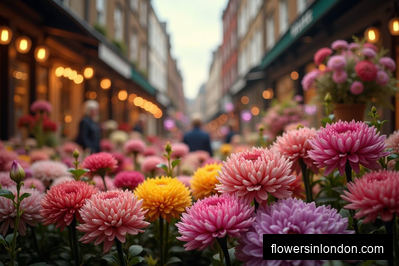
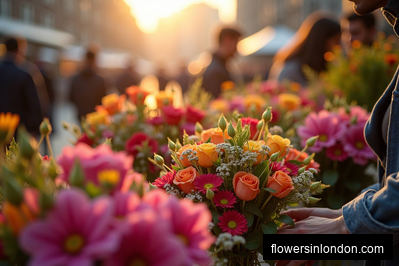
As we delve further into the intricate world of London's floral industry, it becomes evident that the artistry and craftsmanship displayed by local florists are truly unparalleled. From the elegant bouquets found in upscale boutiques to the whimsical arrangements adorning quaint market stalls, each creation tells a unique story.
The Rise of Exclusive Partnerships
Exclusive partnerships have become a strategic tool for both local florists and large retailers. For florists, these partnerships offer a reliable sales outlet and a chance to elevate their brand by associating with high-profile events and retailers. Retailers, on the other hand, benefit from distinguishing their offerings with unique, locally-sourced flowers, enhancing their brand's appeal to consumers seeking authenticity and quality. The trend toward sustainability and support for local businesses has further fueled the growth of these partnerships.
One notable example is the collaboration between Bloomsbury Flowers, a small London-based florist, and a major international hotel chain. This partnership allowed Bloomsbury Flowers to supply all floral arrangements for the hotel, significantly boosting its exposure and sales, while the hotel enjoyed bespoke arrangements that elevated its customer experience. Another case is the exclusive agreement between Petalon, a boutique online flower delivery service, and several London restaurants, where Petalon's unique, sustainable bouquets became a part of the restaurants' decor, enhancing the dining atmosphere.
In the current landscape, we witness exclusive partnerships transcending traditional boundaries. From niche artisanal brands collaborating with tech giants to local coffee shops partnering with global subscription services, the concept has evolved beyond industry norms. These alliances reshape market dynamics by offering consumers unique, curated experiences.
Benefits to Local Florists
For local florists, the benefits of entering into exclusive partnerships are manifold. Firstly, these agreements provide a steady stream of orders, reducing the unpredictability of sales and allowing florists to plan their inventory and finances more effectively. Furthermore, being associated with reputable brands or events can significantly enhance a florist's brand image, attracting more customers and potentially leading to other lucrative partnerships.
Additionally, these partnerships often allow florists to experiment with new designs and arrangements, pushing creative boundaries without the risk of unsold inventory. This creative freedom not only benefits the florists artistically but also contributes to the overall diversity and innovation within London's flower industry. An example of this is the partnership between Rebel Rebel, a London florist known for its avant-garde arrangements, and a luxury fashion brand. This collaboration allowed Rebel Rebel to showcase its creativity on a global stage, resulting in increased recognition and demand for its unique offerings.
In addition to exclusive partnerships, local florists can leverage social media platforms to showcase their unique floral arrangements and engage with a wider audience. By regularly posting captivating floral designs and interacting with customers online, florists can increase brand visibility and attract new clients.
Impact on the Retail Landscape
On the retail side, exclusive partnerships with local florists have led to a differentiation in the marketplace, allowing retailers to offer unique products that set them apart from competitors. This differentiation is particularly crucial in a market saturated with generic, mass-produced floral arrangements. Retailers can leverage these partnerships to cultivate a brand image that prioritizes quality, sustainability, and support for local artisans, resonating with today's ethically conscious consumers.
Furthermore, these partnerships can enhance customer loyalty and satisfaction. Customers appreciate the story behind their purchases, and exclusive, locally-sourced floral arrangements come with a narrative of craftsmanship, sustainability, and community support. For instance, Fortnum & Mason, a renowned London department store, has partnered with several local florists to supply its iconic hampers and in-store displays, a move that has been well received by customers seeking authentic, high-quality products.
The integration of AI-driven customer service solutions in retail has revolutionized consumer experiences. Personalized recommendations based on past purchases and browsing history enhance customer satisfaction and loyalty. Moreover, augmented reality technology is reshaping the retail landscape by enabling virtual try-on experiences, reducing return rates significantly.
Challenges and Considerations
Despite the apparent benefits, exclusive partnerships are not without their challenges. For florists, the dependence on a single retailer or event can be risky if the partnership ends unexpectedly. Diversification of revenue sources remains crucial to mitigate this risk. Additionally, the terms of these agreements can sometimes be restrictive, limiting florists' ability to explore other opportunities or forcing them into unfavorable financial arrangements.
Retailers, for their part, must ensure that their exclusive partners can consistently meet their quality and volume requirements. They also need to navigate the complexities of sustaining a partnership that remains mutually beneficial over time. This requires open communication, flexibility, and a shared commitment to the partnership's success. An example of overcoming these challenges is the partnership between Mc Queens Flowers and Claridge’s Hotel, which has thrived for years due to their mutual commitment to excellence, regular communication, and a clear understanding of each other's business needs and goals.
When navigating exclusive partnerships, florists often encounter challenges related to supply chain disruptions and inventory management. Keeping up with seasonal demands while maintaining product quality can be a delicate balancing act. Additionally, considerations around pricing strategies and contract negotiations require careful planning to ensure long-term success in such partnerships.
Conclusion
Exclusive partnerships between local florists and retailers have undeniably reshaped London's flower industry. These collaborations have not only provided financial and creative benefits to local florists but have also allowed retailers to differentiate themselves in a competitive market. However, the success of these partnerships requires careful consideration of the challenges involved, including the risks of dependency and the need for clear, mutually beneficial agreements.
For those considering entering into such partnerships, it's important to weigh the potential benefits against the risks, ensure flexibility in agreements, and maintain open lines of communication. As the London flower industry continues to evolve, these exclusive partnerships are likely to play an increasingly significant role, driving innovation and supporting the growth of local businesses in the process. For florists and retailers alike, the key to flourishing in this dynamic environment will be in harnessing the power of collaboration, creativity, and community.
In conclusion, the impact of these exclusive partnerships on London's floral industry is evident in the vibrant displays that now adorn local shops and boutiques. The collaboration between talented florists and retailers has not only elevated the aesthetic appeal of the city but also fostered a sense of community pride and support.