Introduction
London, a city renowned for its historical landmarks and royal heritage, is also a melting pot of cultures from around the globe. This diversity is celebrated in many aspects of life in the city, one of which is the cultural significance of flowers. Flowers hold different meanings and values across London's diverse communities, serving not only as a means of decoration but also as symbols of cultural identity, tradition, and expression. From the vibrant flower markets to the serene gardens dotting the city, the role of flowers in London's multicultural landscape is both profound and unique.
This article delves into the cultural significance of flowers among London's diverse communities. It explores how different cultures in London utilize flowers in their traditional ceremonies, festivals, and everyday life. By examining specific examples, statistics, and case studies, we will uncover the rich tapestry of meanings that flowers convey across the city's myriad cultures. The exploration includes insights from industry experts, shedding light on the symbolic and practical applications of flowers within these communities.
Delving deeper into the introduction of London, one cannot help but be captivated by the city's rich tapestry of diverse neighborhoods. From the trendy streets of Shoreditch to the historic charm of Notting Hill, each area offers a unique glimpse into the multifaceted personality of this vibrant metropolis. Exploring these neighborhoods not only provides a deeper understanding of London's cultural fabric but also showcases the city's ever-evolving nature. Additionally, the fusion of old-world charm with modern innovation is evident in the architectural landscape, where iconic structures like the Tower of London stand in harmony with contemporary skyscrapers like The Shard, painting a vivid picture of London's dynamic history and promising future.
The Role of Flowers in Cultural Celebrations
In London, flowers play a central role in the cultural celebrations of its diverse communities. For instance, during the Chinese New Year, the Chinese community in London uses flowers like peonies and chrysanthemums to symbolize prosperity, luck, and happiness. Similarly, the Indian community incorporates marigolds into Diwali celebrations, with the vibrant orange and yellow colors representing sunlight and the victory of good over evil. In the Caribbean community, hibiscus flowers are used in weddings and festivals to symbolize delicate beauty and joy. These examples highlight the universal language of flowers across different cultures, signifying values such as new beginnings, prosperity, and happiness.
Moreover, the use of flowers in these celebrations is not just symbolic but also involves intricate rituals and practices. For example, the Italian community in London may use olive branches and roses in Easter celebrations, combining the symbols of peace (olive branches) and new life or resurrection (roses). These practices are deeply embedded in the community's traditions, passed down through generations and preserved even in the bustling cosmopolitan environment of London.
In addition to London, cities like Kyoto in Japan also embrace flowers in their cultural celebrations. In Kyoto, cherry blossoms hold a special significance during the annual Hanami festival, symbolizing the transient beauty of life. The streets and parks are adorned with delicate pink petals, attracting locals and tourists alike to partake in the tradition of flower viewing. This ancient practice not only connects people with nature but also serves as a reminder of the ephemeral nature of existence, fostering a deep sense of appreciation and mindfulness.
Flowers in Religious Ceremonies
Religious ceremonies across London's diverse communities often feature flowers prominently, underscoring their spiritual and ritualistic importance. In Christian weddings, for instance, white lilies are commonly used to symbolize purity and innocence. The Sikh community uses flowers in the Gurdwara (Sikh temple) during religious ceremonies, with marigolds often adorning the Guru Granth Sahib (holy scripture), symbolizing respect and honor. In Islamic traditions, roses are frequently used to decorate mosques and during religious celebrations such as Eid, where they signify spiritual love and devotion.
The choice of flowers in these religious contexts is deeply symbolic, with each flower holding specific meanings that are interwoven with the community's spiritual beliefs and practices. For example, the lotus flower is significant in both Hinduism and Buddhism, symbolizing purity, enlightenment, and rebirth. It is often used in religious ceremonies and festivals to represent the soul's journey towards enlightenment. These practices reflect the profound connection between nature, spirituality, and cultural heritage among London's diverse religious communities.
In Hindu ceremonies, flowers hold profound symbolism and significance. The garlands of marigolds and jasmine are not just decorative elements but are believed to represent purity and auspiciousness. Similarly, in Christian traditions, the use of lilies in religious ceremonies symbolizes resurrection and purity, reflecting the spiritual essence of the occasion. Across cultures, flowers play a vital role in enhancing the sacred atmosphere of religious rituals, infusing them with beauty and meaning. Whether it's the vibrant colors of roses in a wedding ceremony or the fragrant incense of orchids in Buddhist rituals, flowers continue to be a universal language of reverence and devotion.
Flowers as Expressions of Identity and Heritage
Beyond their use in celebrations and religious ceremonies, flowers serve as powerful expressions of cultural identity and heritage among London's communities. The Turkish community, for example, often uses tulips, a flower deeply embedded in Turkish history and culture, to express national pride and connection to their heritage. Similarly, the rose, England's national flower, is prominently displayed during national celebrations and on occasions such as the Queen's Birthday, symbolizing English identity and tradition.
These floral symbols are not mere decorations but are imbued with historical and cultural significance that resonates with community members. They serve as a reminder of the community's roots and traditions, fostering a sense of belonging and pride. For immigrants and diaspora communities in London, flowers can also act as a bridge to their homeland, keeping their cultural connections alive in a foreign land. For instance, the Polish community celebrates May Day with the traditional "Marzanna" procession, during which daisies and other spring flowers are used to symbolize new beginnings and the hope that comes with spring.
In many cultures, the choice of flowers carries deep significance, reflecting one's identity and heritage. For instance, the lotus flower in Asian cultures symbolizes purity, enlightenment, and rebirth, embodying the values and beliefs passed down through generations. Similarly, the marigold holds special importance in Mexican culture, often used during Dia de los Muertos to honor ancestors and connect with their roots. These floral traditions not only serve as beautiful decorations but also as a way to preserve and express cultural heritage, bridging the past with the present. Through the language of flowers, individuals can communicate their unique identities and pay homage to their ancestors in a meaningful way.
The Economic and Social Impact of Flower Markets
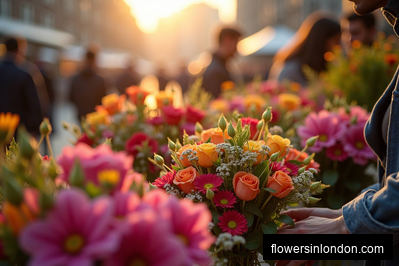
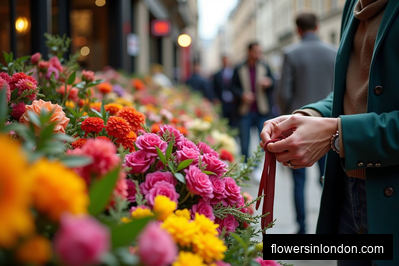
London's flower markets, such as the famous Columbia Road Flower Market, are not only places of commerce but also vibrant cultural hubs that reflect the city's multicultural identity. These markets serve as gathering places for people from various communities, offering a space to celebrate their cultural traditions through flowers. The markets are bustling with vendors selling a wide array of flowers that cater to the diverse needs and preferences of London's population.
The economic impact of these markets is significant, providing livelihoods for many and supporting local growers and florists. Moreover, they play a vital role in the social fabric of London, fostering community engagement and cultural exchange. The flower markets are places where cultural traditions are preserved and shared, with vendors often knowledgeable about the cultural significance of the flowers they sell. This not only enriches the shopping experience but also promotes cultural understanding and appreciation among London's diverse communities.
Furthermore, the flower markets contribute to the city's tourism, attracting visitors keen to experience London's cultural diversity and vibrant street market culture. The visual spectacle of rows upon rows of colorful flowers, combined with the aromatic scents and lively atmosphere, makes these markets a must-visit destination, showcasing the city's multicultural character.
In addition to their vibrant atmosphere and stunning displays, flower markets play a crucial role in local economies by supporting small businesses and providing employment opportunities. Take for example the impact of the Aalsmeer Flower Auction in the Netherlands, which not only drives the global flower trade but also contributes significantly to the region's economy. Moreover, flower markets foster social connections and community engagement, acting as gathering spots for both locals and tourists alike. The bustling activity in these markets not only boosts tourism but also creates a sense of community pride and cohesion.
Conclusion
The cultural significance of flowers in London's diverse communities is a testament to the city's rich multicultural tapestry. Flowers serve not only as symbols of beauty and nature but also as expressions of cultural identity, heritage, and spiritual beliefs. Through celebrations, religious ceremonies, and everyday life, the diverse communities of London use flowers to connect with their roots, express their identities, and engage with others across cultural boundaries.
The flower markets of London play a crucial role in this cultural expression, acting as vibrant hubs of economic activity, social interaction, and cultural exchange. They are places where the significance of flowers transcends their aesthetic value, embodying the diversity, tradition, and unity of London's communities. As the city continues to evolve and grow, the cultural significance of flowers remains a constant, blooming testament to the enduring power of nature to bring people together, regardless of their background or beliefs.
In conclusion, the intricate tapestry of floral traditions in London not only reflects the city's diverse communities but also serves as a powerful symbol of unity and inclusivity. From the vibrant displays at the annual Chelsea Flower Show to the intimate gatherings in community gardens, flowers play a vital role in bridging cultural divides and fostering connections among residents. The exchange of floral expertise and traditions among different groups highlights the shared values of beauty, harmony, and respect for nature, underscoring the notion that despite our differences, we can find common ground through a universal language of flowers.